This post contains affiliate links. As an Amazon Associate, we earn from qualifying purchases at no additional cost to you.
The best Japanese vegetable knife glides through onions, carrots, and cabbage without bruising or tearing the flesh. A dull or poorly balanced blade crushes cell walls instead of slicing them, leaving soggy edges and a slower prep session.
Nakiri and usuba-style knives range from budget stainless steel builds to hand-forged Damascus blades. Steel hardness, edge angle, and handle material all affect how the knife performs after months of daily chopping.
Edge retention, care requirements, and handle balance change how these knives hold up in a working kitchen. These differences are called out clearly here so you can choose what fits your cooking habits and your maintenance routine.
This Japanese vegetable knife review applies our TopRatedKitchen Review Standard, focusing on performance, durability, and real-world value.
We picked our Top 5 best-in-class Japanese vegetable knives and if it’s listed here, it met that standard.
How We Chose These Japanese Vegetable Knives
- Blade Sharpness & Edge Retention: How sharp the knife arrives and how long that edge holds up
- Steel Quality & Corrosion Resistance: The type of steel used and how well it resists rust and staining
- Handle Comfort & Balance: Grip design and how the weight is distributed between blade and handle
- Ease of Care & Maintenance: How much upkeep the blade and handle demand between uses
- Value: Performance and craftsmanship as they relate to price
Japanese Vegetable Knife Options at a Glance
Here’s the condensed version first, this list is the fastest way to compare the best Japanese vegetable knives in this guide.
Use it to scan each pick by category, then click the product name to jump straight to the full review and see why it made the list.
imarku Nakiri Knife 7 Inch
- Best For: budget shoppers, gift buyers, first-time nakiri owners
- Material: Stainless Steel
- Top Feature: Hammered finish, ambidextrous handle
- Not Ideal For: professional chefs, heirloom-quality seekers
HOSHANHO 7 Inch Nakiri Vegetable Knife
- Best For: everyday cooks, value shoppers, meal preppers
- Material: High Carbon Stainless Steel
- Top Feature: 60HRC hardness, scalloped anti-stick sides
- Not Ideal For: dishwasher-only households, collectors
TUO Nakiri Knife 6.5″ Japanese Vegetable Cleaver
- Best For: home cooks, gift shoppers, small-handed users
- Material: German Stainless Steel
- Top Feature: Full tang, low 8-12° edge angle
- Not Ideal For: professional chefs, heavy-duty users
HOSHANHO Damascus Nakiri Knife 6.5″
- Best For: design-conscious cooks, gift buyers, foodies
- Material: Damascus Stainless Steel
- Top Feature: 62HRC core, olive wood handle
- Not Ideal For: budget shoppers, dishwasher users
Shun Classic 6.5″ Nakiri Knife
- Best For: serious home cooks, heirloom buyers, gift givers
- Material: Stainless Steel
- Top Feature: VG-MAX core, handcrafted in Japan
- Not Ideal For: budget shoppers, dishwasher users
imarku Nakiri Knife 7 Inch
Our Rating: ★★★★
Best For: Cooks who want a razor-sharp, ambidextrous nakiri without a premium price tag.
QUICK FACTS:
- Blade Material:
- Blade Length:
- Edge Angle:
- Edge Type:
- Tang:
- Handle Material:
- Handle Length:
- Dishwasher Safe:
- Warranty:
- Ergonomic Grip:
- Origin:
- SUS440A Stainless Steel
- 7 Inches
- 15° Per Side
- Hollow-Ground, Hammered Finish
- Full Tang
- Pakkawood
- 5 Inches
- Yes, Hand Wash Recommended
- Limited Lifetime
- Yes, Ambidextrous
- Imported
Why It Stands Out
- SUS440A Steel at 58+ HRC: This hardness rating keeps the edge sharp through extended use. It resists chipping better than softer budget steels
- Hammered Blade Finish: The textured surface creates tiny air pockets between food and steel. This reduces sticking on starchy vegetables like potatoes
- Ambidextrous Pakkawood Handle: The seamless, non-slip design works equally well for left- and right-handed cooks. No dedicated version is needed
- 15° Edge Angle: The narrow angle is hand-polished for a razor-sharp starting edge. This suits precise vegetable slicing right out of the box
Limitations to Consider
- Hand Wash Recommended: While technically dishwasher safe, high-pressure cycles can dull the edge over time. Hand washing preserves sharpness longer
- Single-Bevel-Style Straight Edge: Like most nakiris, the flat blade profile isn’t built for rocking cuts. It takes a push-cut motion to use well
- Newer Brand: imarku’s Nakiri line has less track record than legacy Japanese cutlery makers. Buyers who value heritage should weigh this
- Limited Task Versatility: Specialized strictly for vegetables and fruits; it cannot chop through dense bones, frozen foods, or act as an all-purpose chef’s knife.
Final Verdict
The imarku Nakiri Knife brings hardened SUS440A steel and an ambidextrous handle to an accessible price point. Its hammered finish helps starchy vegetables release cleanly from the blade.
The tradeoff is a newer brand name without the pedigree of Japanese heritage cutlery. For cooks who want sharp performance without a premium price, it’s a solid entry point.
HOSHANHO 7 Inch Nakiri Vegetable Knife
Our Rating: ★★★★
Best For: Cooks who want a hard, wear-resistant blade for daily meal prep at a fair price.
QUICK FACTS:
- Blade Material:
- Blade Length:
- Edge Angle:
- Edge Type:
- Tang:
- Handle Material:
- Handle Length:
- Dishwasher Safe:
- Warranty:
- Ergonomic Grip:
- Origin:
- 10Cr15CoMoV High Carbon Steel
- 7 Inches
- 15° Per Side
- Hollow-Ground, Scalloped Sides
- Full Tang
- Pakkawood
- 5.2 Inches
- No, Hand Wash Only
- Lifetime Warranty
- Yes, Ergonomic Shape
- China
Why It Stands Out
- 60HRC Vacuum-Treated Steel: The vacuum heat treatment pushes hardness higher than many knives at this price. It stays sharp through heavier daily use
- Scalloped Hollow-Edge Sides: The pitted sides create small pockets that reduce suction against wet vegetables. This helps cuts release cleanly from the blade
- Ergonomic Pakkawood Handle: The shape mirrors the hand’s natural grip to balance blade and handle weight. This reduces fatigue during long prep sessions
- Lifetime Manufacturer Warranty: HOSHANHO backs this knife against manufacturing defects for as long as it’s owned. This adds confidence at a mid-range price
Limitations to Consider
- Hand Wash Only: The manufacturer advises against dishwasher cycles entirely. This adds a step other pans and knives in this category skip
- Manufactured in China: Unlike the Japan-made pick in this lineup, this knife is produced overseas. Buyers who prioritize domestic or Japanese manufacturing should note this
- Not a True Heavy Cleaver: Despite being marketed as a vegetable cleaver, it is lightweight and thin, meaning it will wedge or struggle if forced through massive dense produce like whole pumpkins or large melons
- High Hardness Means Less Flex: At 60HRC, the blade holds an edge well but has less give than softer steels. Twisting cuts should be avoided
Final Verdict
The HOSHANHO 7 Inch Nakiri pairs hardened steel with a lifetime warranty at a middle-of-the-road price. Its scalloped sides help with the sticking that plagues cheaper flat-ground blades.
The tradeoff is hand-wash-only care and manufacturing overseas rather than in Japan. For cooks who want daily-use durability without a Japan-made premium, it’s a strong middle option.
TUO Nakiri Knife 6.5″ Japanese Vegetable Cleaver
Our Rating: ★★★★
Best For: Cooks who want a comfortable, full-tang nakiri backed by a lifetime guarantee.
QUICK FACTS:
- Blade Material:
- Blade Length:
- Edge Angle:
- Edge Type:
- Tang:
- Handle Material:
- Handle Length:
- Dishwasher Safe:
- Warranty:
- Ergonomic Grip:
- Origin:
- German DIN 1.4116 Stainless
- 6.5 Inches
- 8-12° Per Side
- Hand-Sharpened, Double Bevel
- Full Tang
- Pakkawood
- 5.3 Inches
- No, Hand Wash Recommended
- Lifetime Warranty
- Yes, Ambidextrous
- Imported
Why It Stands Out
- Low 8-12° Edge Angle: The narrower angle than most nakiris here cuts with less resistance. This suits delicate vegetable and herb work
- Full-Tang Construction: The steel runs the entire length of the handle for balance. This keeps the blade from loosening over years of use
- Cryogenically Tempered Steel: Nitrogen cryogenic tempering improves both hardness and flexibility. This helps the blade resist chipping under normal kitchen use
- Lifetime Money-Back Guarantee: TUO backs this knife with a satisfaction guarantee against manufacturing defects. This lowers the risk of trying a newer brand
Limitations to Consider
- Softer 56±2 HRC Rating: This runs lower than the 58-62 HRC blades elsewhere in this guide. The edge may need more frequent honing
- Hand Wash Recommended: Manufacturer guidance favors hand washing to protect the pakkawood handle and edge. This adds a small step after each use
- Handle Bulk: Some users find TUO’s handle designs a bit blocky or wide, which can reduce finesse during prolonged prep sessions.
- Shorter 6.5-Inch Blade: This runs shorter than the 7-inch options in this lineup. Cooks prepping large batches may prefer more surface length
- No Pointed Tip: The squared-off tip means you cannot pierce items, core tomatoes easily, or perform delicate trimming and fine point work
Final Verdict
The TUO Nakiri Knife brings full-tang balance and a low edge angle to everyday vegetable prep. Its lifetime guarantee adds peace of mind at a mid-range price.
The tradeoff is a softer steel hardness than the premium picks here. For cooks who want comfortable, well-balanced daily use, it’s a dependable choice.
HOSHANHO Damascus Nakiri Knife 6.5″
Our Rating: ★★★★½
Best For: Cooks who want hand-forged Damascus steel and a distinctive olive wood handle.
QUICK FACTS:
- Blade Material:
- Blade Length:
- Edge Angle:
- Edge Type:
- Tang:
- Handle Material:
- Handle Length:
- Dishwasher Safe:
- Warranty:
- Ergonomic Grip:
- Origin:
- 10Cr15CoMoV Damascus Core
- 6.5 Inches
- 15° Per Side
- Hand Water-Sharpened, Grooved
- Not Available by Manufacturer
- Olive Wood
- 5.5 Inches
- No, Hand Wash Only
- Lifetime Warranty
- Yes, Ergonomic Shape
- China
Why It Stands Out
- 62HRC Damascus Core: Folding and forging the steel core creates dense metal grains. This delivers higher hardness than the brand’s standard nakiri
- Hand Water-Sharpened Edge: Craftsmen sharpen the blade by hand using a water-cooled stone. This process avoids the heat damage that machine grinding can cause
- Anti-Stick Groove Design: Grooves along the blade reduce the contact surface between food and steel. This cuts down on sticking during vegetable prep
- Olive Wood Handle: The wood grain gives this knife a distinct look compared to standard pakkawood handles. It suits cooks who display their knives
Limitations to Consider
- Hand Wash Only: The Damascus finish and olive wood handle both call for hand washing exclusively. This is stricter than the brand’s standard line
- Tang Construction Not Published: HOSHANHO doesn’t specify full or partial tang for this Damascus model. Buyers who prioritize this spec should reach out to confirm
- Manufactured in China: Unlike the Japan-made pick in this lineup, this knife is produced overseas. Buyers who prioritize Japanese manufacturing should note this
- Premium Price for the Category: The Damascus pattern and hand-sharpening add cost over the brand’s standard nakiri. Budget shoppers may prefer the simpler model
Final Verdict
The HOSHANHO Damascus Nakiri brings a harder 62HRC core and a distinctive olive wood handle to the lineup. Its anti-stick grooves help with clean vegetable release.
The tradeoff is strict hand-wash care and a step up in price over the brand’s standard knife. For cooks who want a showpiece blade, it delivers on looks and hardness.
Shun Classic 6.5″ Nakiri Knife
Our Rating: ★★★★½
Best For: Cooks who want handcrafted Japanese construction built to outlast a lifetime of use.
QUICK FACTS:
- Blade Material:
- Blade Length:
- Edge Angle:
- Edge Type:
- Tang:
- Handle Material:
- Handle Length:
- Dishwasher Safe:
- Warranty:
- Ergonomic Grip:
- Origin:
- VG-MAX Core, 68-Layer Damascus
- 6.5 Inches
- 16° Per Side
- Hand-Sharpened, Double Bevel
- Full Composite Tang
- Ebony PakkaWood, D-Shaped
- 6.5 Inches
- No, Hand Wash Only
- Limited Lifetime
- Yes, Ambidextrous
- Handcrafted In Seki, Japan
Why It Stands Out
- VG-MAX Steel Core: Shun’s proprietary steel is wear and corrosion resistant with a very fine grain. This delivers razor-sharp, long-lasting edge retention
- 68-Layer Damascus Cladding: The layered stainless steel supports the core and helps food release from the blade. It also creates the signature rippled pattern
- Handcrafted in Seki, Japan: Shun assembles this knife through more than 100 handcrafted production steps. This keeps quality consistent across every unit
- Free Sharpening Service: Shun offers complimentary sharpening and honing for the life of the knife. This offsets the higher upfront cost over time
Limitations to Consider
- Hand Wash Only: Shun advises against the dishwasher entirely for this knife. Detergent and heat can dull the edge and damage the finish
- Premium Price Point: This knife costs more than every other pick in this guide. The price reflects Japanese craftsmanship and proprietary steel
- Asymmetrical Handle: The D-shaped Pakkawood handle is designed to fit comfortably in a right-handed grip, which can feel less natural for left-handed users
- Not Built for Bones or Frozen Food: Shun advises against chopping through bone or frozen ingredients. This is strictly a produce and boneless-protein knife
Final Verdict
The Shun Classic Nakiri brings VG-MAX steel and true Japanese craftsmanship to a home kitchen. Its free sharpening service adds long-term value most budget knives can’t match.
The tradeoff is hand-wash-only care and the highest price in this lineup. It is also suited for right-handed users. For cooks who want heirloom-quality cutlery, it’s worth the investment.
Japanese Vegetable Knife Use – FAQs
What They Don’t Tell You
What a brand leaves out is frequently just as important as what they put in print. Truly understanding a product requires looking past the surface. Uncover the hidden trade-offs, omissions, and fine print that manufacturers hope you will overlook. Here’s what you need to know…
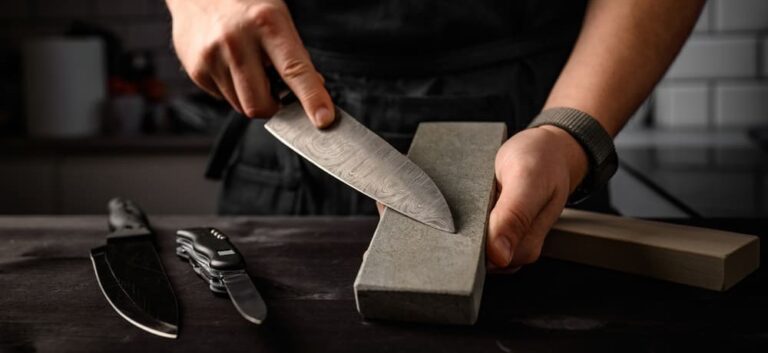
High-Carbon Steel Rusts in Minutes
Manufacturers promote high-carbon steel, like White Steel or Blue Steel, for its legendary sharpness. They downplay the high maintenance it demands.
Leave the knife on a cutting board after slicing a tomato or onion. The blade will discolor, pit, and rust before lunch is over. Instant hand washing and drying after every use is not optional.
The Harder the Steel, the More It Chips
The harder the steel, measured high on the Rockwell scale, the longer it holds an edge. The tradeoff is a blade that becomes more brittle.
Brands rarely warn against cutting bones, frozen foods, or hard squash seeds. Prying or twisting a hard Nakiri on a hard surface can snap chunks right off the edge.
Sticky Laser-Thin Blades
Many Japanese vegetable knives are ground incredibly thin, nicknamed “lasers,” for effortless slicing. Flat-ground blades without a convex grind or hammered finish suffer from intense surface tension.
Starchy vegetables like potatoes, zucchini, and cucumbers will aggressively stick to the blade. This can completely derail rhythm during vegetable prep.
“Stainless Cladding” Isn’t Fully Stainless
Many knives are marketed as “stainless clad,” meaning a high-carbon core sits between stainless layers. Manufacturers leave out that the actual cutting edge stays exposed high-carbon steel.
The sides won’t rust, but the thin edge can still corrode, dull, or patina if left wet.
No Edge for Lefties
Traditional Japanese vegetable knives, like the Usuba, use a single-bevel edge that is extremely unequal. Even double-bevel Nakiris are often ground with a 70/30 or 60/40 bias favoring right-handed users.
Manufacturers rarely mention this on the front of the box. Left-handed cooks may find the blade naturally steering or drifting to one side. Lefties often need a dedicated, pricier left-handed version.
Our Final Thoughts
Choose your Japanese vegetable knife based on how you cook most often, not just the price tag. The imarku Nakiri Knife gives budget-conscious cooks a sharp, ambidextrous option to start with.
The HOSHANHO 7 Inch Nakiri rewards everyday cooks with hardened steel and a lifetime warranty at a fair middle price. The TUO Nakiri Knife balances full-tang comfort with a low edge angle for precise work.
The HOSHANHO Damascus Nakiri suits cooks chasing a distinctive blade pattern and a harder core. The Shun Classic Nakiri closes out the lineup for cooks ready to invest in true Japanese craftsmanship.
Preheat your prep by keeping the blade dry between cuts, respect the care instructions, and any of these five will earn a permanent spot in your knife block.